Tag: review

  • Romancing the Crime

    Romancing the Crime


    Rating: 3.5 Stars

    Age Recommendation: Adult (~16+)

    Warnings: Frequent Adult Language, Implied Sexual Content (nothing explicit)

    Genres: Crime, Murder Mystery, Romance

    Pages: 421 (paperback edition, provided in exchange for a review)


    Lou glanced at the back jacket. “Fletcher Manning. Turns out he’s a best-selling novelist. And he was so impressed by your little performance, he wants to shadow you as part of the research he’s doing on his new book.”

    Cory leaned back, letting the counter support her. A novelist? He wanted to see her again.


    JW Robitaille’s Romancing the Crime is essentially a fresh take on a classic murder mystery, crime-solving novel, but it also includes a romance that has a strong footing within the story. The characters brought together are done so in a way that’s very similar to the television show Castle, and thus gives their interaction a great starting point. It’s very difficult to miss that common plot between this book and the series, but the story is one with a merit of its own.

    The research for this novel has clearly been done formidably, and the writing is – a good 95% of the time – quite spectacular. I did get lost a bit in the number of secondary characters that were introduced, but I understand that this book is the first in a series, and expect that these characters will be returning ones, or ones meant to help with this plot until we meet the new ones. As far as the plot goes, for the most part, everything seemed to line up and follow along with an understandable, realistic path. I struggled, though, when sometimes things seemed to go off on a tangent without explanation.

    For example, Marin decides in chapter four to ask about another detective’s brother seemingly out of the blue, with no obvious relation to the action that’s been happening in the book or even in the scene. Moments like that distract me from the story because even as I read along, I’m still stuck back at the start, wondering why it was brought up.

    Romancing the Crime also felt slightly problematic in regards to the way diversity was featured. I think that diversity is very important because it accurately represents the world we live in, but sometimes the characters in this story seemed to be described as a bit too long, or in a way that implies that they are somehow marked as an ‘other.’ And while that’s fair considering who Marin is, it felt a bit unnecessary and forced.

    In truth, the descriptions of Gainsville, Florida – the setting of Robitaille’s story – and the detailed knowledge of detectives and how they work were the real stars of Romancing the Crime. Those who love crime stories will find it easy to dive into this one and anyone who loves a bit of local information to help solidify a story will be pleased that the author has included so much of it. That decision certainly made it easier to imagine the scene and the world in which Marin’s investigation takes place.

    On the whole, the plot is one that easily engages those interested in knowing “Whodunit,” with many false leads and an ending the reader probably won’t see coming. For those that enjoy Romancing the Crime, Robitaille has written a few other novels, as well as screenplays and short stories that may need to be the next on their To-Be-Read list!

    Views: 1
  • Harry Potter and the Cursed Child

    Harry Potter and the Cursed Child

    Rating: 2.5 Stars

    Age Recommendation: 11/12 + (Middle Grade)

    Warnings: Violence, Character Death

    Genres: Fantasy, Action and Adventure, Coming-of-Age

    Pages: 308 (Hardback edition)


    ALBUS: We’re ready to put our lives at risk.

    SCORPIUS: Are we?

    AMOS (gravely): I hope you have it in you.


    NOTE: Harry Potter and the Cursed Child actually has three credited creators: J.K. Rowling and John Tiffany helped to create the story, but Jack Throne is the actual playwright. So I will be addressing each of them individually throughout this review.

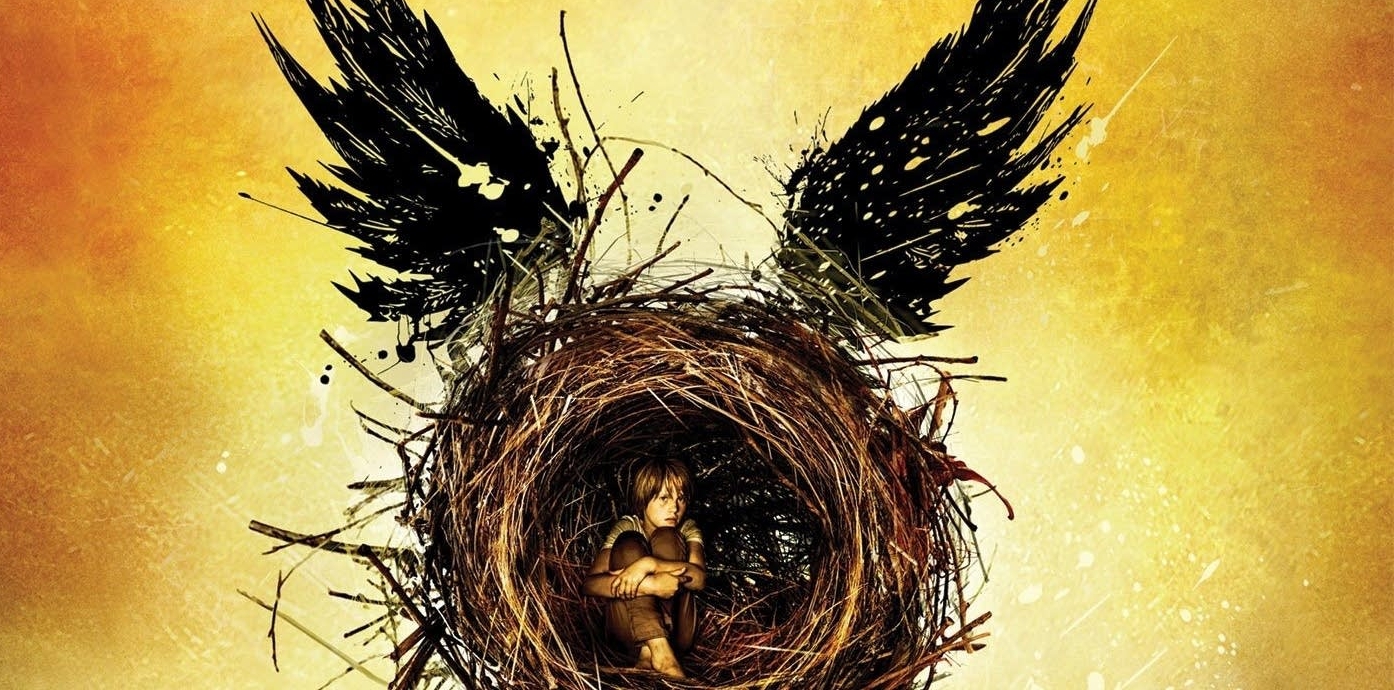
    To start, I want to say that I did originally consider giving Harry Potter and the Cursed Child four stars instead of 2.5 because I did really enjoy reading it. But in hindsight, I do understand where the other average or negative reviews are coming from. This story, while laugh-out-loud funny and undoubtedly astounding to view on a live stage, breaks Rowling’s own rules, and that’s a huge problem for fans.

    I don’t want to spoil anything for those who haven’t read it, but let’s start with my absolute favorite part: Scorpius Malfoy. He has immediately risen to my top five characters list, because of his sheer wit. He’s also very caring in a way that most readers assumed his father could never be. I am not personally in that camp, as I tend to go with the book version of Draco Malfoy, who quite clearly seems redeemable. But Scorpius is immediately a sympathetic character because of rumors about who his actual father might be. But I won’t get too into that for fear of ruining the surprise of the story. Thorne has created incredible lines that, honestly, I wish I had an excuse to quote. They’re just that funny.

    Albus Potter was great too, and his personal struggle felt entirely founded and reasonable, which is impressive for a play. The first half of the play does cover his formative Hogwarts years, though briefly, but I think it works despite how quickly it went by. In a live production, I imagine it wouldn’t feel so fast. Again, Thorne’s writing feels alive in a way that plays almost never do for me, so I really did enjoy reading Harry Potter and the Cursed Child.

    Despite those two fantastic characters, many of them were bizarre. Ron Weasley was not his usual self, seeming to deflate as a character. There’s a Trolley Witch, as she’s called in the character list, who seems like something out of Percy Jackson instead of Harry Potter; and the main problem I had with this book? Delphi. As a character, she is extremely problematic. She breaks suspension of disbelief for the reader like nothing Rowling has ever created before. There were so many problems with lore being either ignored or changed and as a fan since I was only five years old, it was actually sort of offensive to see that she didn’t stick to the world we are used to and try to find a story that fit within it.

    To be honest, I didn’t need an eighth book. And this felt like Rowling, Thorne and Tiffany decided to write a piece of fanfiction, then put it on the stage in two parts. Which, of course, means more productions in the same way that the Fantastic Beasts films will be a trilogy for reasons yet unknown. But here’s hoping that the movies stick to the lore, as they’re set in the past rather than the future. Or, if we’re going by the new Harry Potter timeline, the present.

    As for John Tiffany’s work on Harry Potter and the Cursed Child, he is a renowned director and I don’t doubt that the effects and stage presence must be brilliant. Incredibly so. But as much as I would love to see it live, I don’t know that I would want to go back twice to do so. I do understand that the play would probably be massively long, however, were it not split.

    At any rate, the main issue for most everyone, it seems, it the lore. Which, to be clear, is the term for a story/world’s rules, backstory, character list, things like that. The things that the author creates themselves are called Canon, and the things that the fans imagine or wish for or wonder about, those are called Headcanons (because they’re made up in someone else’s head, I suppose). This play felt like it was almost entirely a piece of fanfiction, built around those headcanon ideas. Delphi as a character should not be possible. The plot device that Draco uses should not be possible, nor should the one that Albus and Scorpius use to create the majority of the story’s conflict. I understand why Rowling let the latter happen, but a great deal of Harry Potter and the Cursed Child seems unlikely based on Rowling’s previous works.

    Now, that isn’t to say that I didn’t quite like this play. As I said, I nearly gave this four stars and did rate it as such on Goodreads initially. But as I looked into it more and considered it, I understood where people felt the faults were coming from. As a reading experience, it was definitely worth four stars. But as a work in the Harry Potter universe and franchise, I couldn’t let myself leave that rating.

    A great deal of readers probably won’t even register those lore differences, as some were probably the sort who preferred watching the films, or maybe who only read the books once and enjoyed them but didn’t commit a lot of the lore to memory. Which is entirely valid and shouldn’t be discredited. But, that said, those people might actually enjoy this much more than people like me, who love the books far better than any other series, and who grew up reading and re-reading, and then watching the movies a silly number of times.

    So, as much fun as I had reading it, I certainly don’t feel like it’s part of canon, and I’m not particularly inclined to include it as such in my mental log of the plot arc of Harry Potter and his friends. Perhaps if it had been created sooner, people would have been more receptive, but as something that I’d read for fun, Harry Potter and the Cursed Child is spectacularly entertaining.

    Views: 0

  • The Devil in Canaan Parish

    The Devil in Canaan Parish


    Rating: 2 Stars

    Age Recommendation: 17+

    Warnings: Mentions of specific body parts in reference to lust or scenes involving sex, strong language (mainly towards the end of the novel), domestic violence, racist characters

    Genres: Historical fiction, Drama, Mystery, Suspense

    Pages: 204 (paperback edition provided in exchange for a review)


    “It was 1934, and my mother, my little sister Gracie, and I were living in Ida Mae Wilson’s boarding house in Savannah. My father was on the road to Atlanta, trying to scrape together enough to buy more wares to sell, and he had left us behind. I didn’t mind. It was one of the few times when I could rest from out nomadic existence. When I felt that we had a home, even if it wasn’t ours.”


    The Devil in Canaan Parish, by Jackie Shemwell, is an intricately detailed account of Southern Louisiana in the 1950s. The most interesting part of the novel, far and away, was the level of research that obviously went into the writing of this story. The biggest problem I had came from trying to find the plot. Upon finishing, this is the key information I feel I’ve been left with as a reader (without including spoilers, of course):

    Bram and Sally Palmer met at university and she decided to marry him despite the fact that he didn’t really fit in with her parents’ well-off lives in Techeville, Louisiana. They’ve been experiencing problems with their relationship for years now, and Bram is really quite tired of it. One night, a storm rips through town and at one store, a necklace is stolen, while at another, a Cajun girl named Melee washes up looking for a place to work. Bram brings her home to work in their household and from there a lot of trouble ensues.

    Sally has been wanting to have a baby but is quite ill. Bram takes a liking to Melee, even though he shouldn’t. And a lot of secrets are kept.

    Basically, it’s the making for a great domestic, realistic fiction novel. But I had a number of problems with it, which I feel I ought to address in order to explain the rating I gave this book. First, though, I do want to say that lovers of historical fiction – particularly set in the American South – could very well adore The Devil in Canaan Parish. I’m not saying that anyone shouldn’t. But I, personally, had trouble reading it.

    The other main problem, besides my struggling to find the story arc, was the editing. It seems like the text wasn’t edited for formatting, and may not have been line edited before the final draft was published. By that, I mean that there were a large number of typographical errors. Paragraphs weren’t indented, punctuation was missing, quotation marks did not appear at the beginning of a new paragraph when the same character continued speaking. The final line of The Devil in Canaan Parish is neither indented nor punctuated in any way. I don’t know if that was a stylistic choice, but it didn’t match the central portion of the text. Most of the errors occurred at the beginning and end. The other typing-based issue came from words being switched out incorrectly (for example, “here” instead of “hear”).

    I do want to look at the plot as well, without giving too much away. It wasn’t until about the 100-page mark (in other words, halfway through the story) that the plot actually picked up. The first half is almost entirely backstory, which is fine and necessary in its own way, but perhaps it could have been worked in throughout the story so that the current plot could take more precedence?

    Something I did appreciate, however, was that nearly all of the characters were important to the plot, rather than thrown in as extras. Even minor characters ended up being important, although one of the main plot devices at the end came out of nowhere and wasn’t hinted at beforehand, so that confused me greatly.

    If the reader goes into this story wanting as much historical detail as possible and is the sort of person who loves backstory and character building of that nature, the editing errors may not bother them. I’m the sort of person that notices those things easily because editing novels is something that I want to do in the future. And I wanted so badly to enjoy The Devil in Canaan Parish. When I was offered the chance, I put it at the top of my list and the front of my schedule, and I think that maybe I just got too distracted to fully take it in.

    The descriptions are easy to understand, and the opening paragraph is both charming and beautiful. It isn’t hard to imagine that, were those errors not in place and if the backstory wasn’t so overwhelming at the beginning, I would have easily fallen in love with The Devil in Canaan Parish.

    Views: 6

  • Hart Broken

    Hart Broken

    I am a sucker for romantic stories. I devour them and eat them like candy. And Hart Broken by Annie Arcane was no different. Well, it was, in that it tugged so deeply at your emotions and was absolutely beautiful and phenomenally written. I mean, talk about an emotional rollercoaster.

    This girl…

    The main character is Mickey, short for Mackensington (I am glad that she has a nickname!). Mickey is a photojournalist who never drinks. Until the night that she does. She does not do one-night-stands either, but here she is the next morning in another man’s luxurious silk bed… in a penthouse. Then there is Cale. Wonderful, god-like, sculpted Cale. Rich Cale. But there is one thing that sets him apart – he is in a wheelchair. Quickly there is a sparkle, yet they are both concealing things that they would prefer not to reveal. Both have pasts that influence how they respond to each other.

    Hart Broken by Annie Arcane deals with very serious issues, but at the same time is so playful and full of laughter. At one point I think I was laughing, crying, and yelling at the same time. Yes, that can happen. I have never read a romance with a paraplegic main character, but man does it work. It is refreshing and feels very real and relatable. It is a side of romance I have never seen before and I absolutely adore it. It also shows how life is for a man in a wheelchair and brings a new perspective. It shows how they struggle on a day-to-day basis.

    I am dying for the next book of this series (which is called Hart of His… cannot wait!), but I would not risk delving any juicy details by telling you why. You will just have to see for yourself.

    Rating: 5 Stars

    Views: 33

  • A Stalled Ox

    A Stalled Ox

    Rating: 4 Stars

    Age Recommendation: 16+

    Warnings: Violence, Strong Language. Potential triggers for those living with or caring for those with mental illnesses.

    Genres: Horror, Thriller, Mystery

    Pages: 102 (paperback, given to me in exchange for a review)


    “I have power here. That’s why I didn’t want him showing you what’s upstairs, I didn’t want you messing this up for me… too late for that now, ain’t it?”

    “It’s a shame your God doesn’t share everyone else’s love for you.”


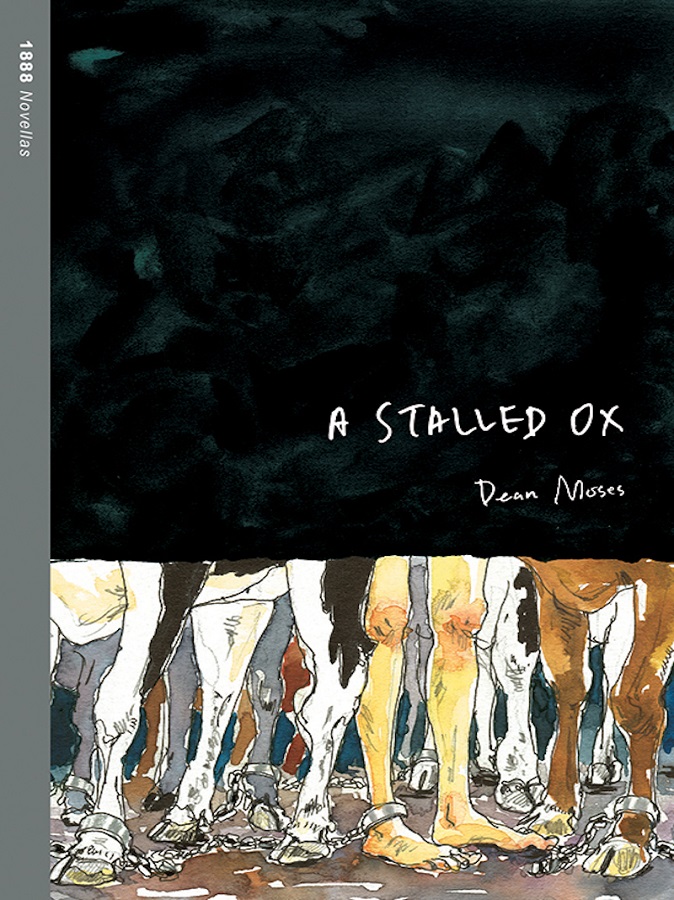
    Dean Moses’s novella, A Stalled Ox, is a story of about one hundred pages that follows a piece of Howard Harrington’s life as he takes on a new investigation. He is a detective, going undercover to look into a cult that worships a character who calls himself “God,” because the members are said to eat meat in a time where there isn’t any on the market. After injectable enhancements created a genetic disease and killed off livestock all over the world, the United States has started trying to find a solution, protecting the last of each animal to no avail. Howard’s investigation proves that “God” and his flock are much more dangerous than they ever expected.

    Howard and his detective partner, Linda, aren’t quite sure what to expect upon arrival, and Howard isn’t exactly known for having a great track record when it comes to jobs. Linda is a strong female character, though the reader is given a chance to see her vulnerable side as well, which made her feel even more realistic and tangible.

    The descriptions were not lyrical or drawn out in any way, but I don’t feel that they needed to be or should have been. Instead, they matched the feeling of the novella as a whole – stark, brief, but powerful nonetheless. My main problem when it came to the writing had to do with Howard’s thoughts throughout. They were used to explain the back story of this version of the United States after 2020 when the animals began dying off. Those moments felt awkward and pulled me out of the story, but there weren’t very many of these expositional sections from him.

    Though short, A Stalled Ox takes on a multitude of social themes and problems that are prevalent in today’s world. The protagonist is the epitome of ‘diversity,’ as an LGBT, Black/Hispanic character. I could say more about him, but I’ve no intention of spoiling anything. I do want to say, however, that the diverse aspects of Howard are not the entire focus of the story, but instead help to tackle the themes brought up within the novel.

    The writing, in my opinion, took some time to get into and to fully understand. It oftentimes felt a little calculated or distancing, but I think that sometimes one has to look at something from a distance to truly understand the intention behind it or the strength that it holds. This story is powerful in ways that I honestly didn’t realize it would be when I first received it.

    A Stalled Ox is a timely story that many would be able to appreciate in today’s world. It’s graphic at times, as is fitting for the genre, but not to the extent that I felt uncomfortable reading it. It was a quick read, which only took me a couple of hours while I was on the train, and surprised me with each chapter. I am not usually a reader of the horror or thriller genres, but I’m very glad that I picked this one up.

    Views: 1

  • Fallen Angel

    Fallen Angel

    Rating: 4 Stars

    Age Recommendation: Upper Young Adult, New Adult +

    Warnings: Mention of and Attempted Rape, Character Death, Violence, Slight Language

    Genres: Fantasy (Supernatural), Romance, Action and Adventure

    Pages: 344 (EPUB version, provided in exchange for an honest review)


    “I had been unsure about the future, tossed into the rapids by things beyond my control, but I had never been so befuddled about what I was going to do to get myself where I wanted to go. Home was New York, I tried to remind myself. Or was it?”


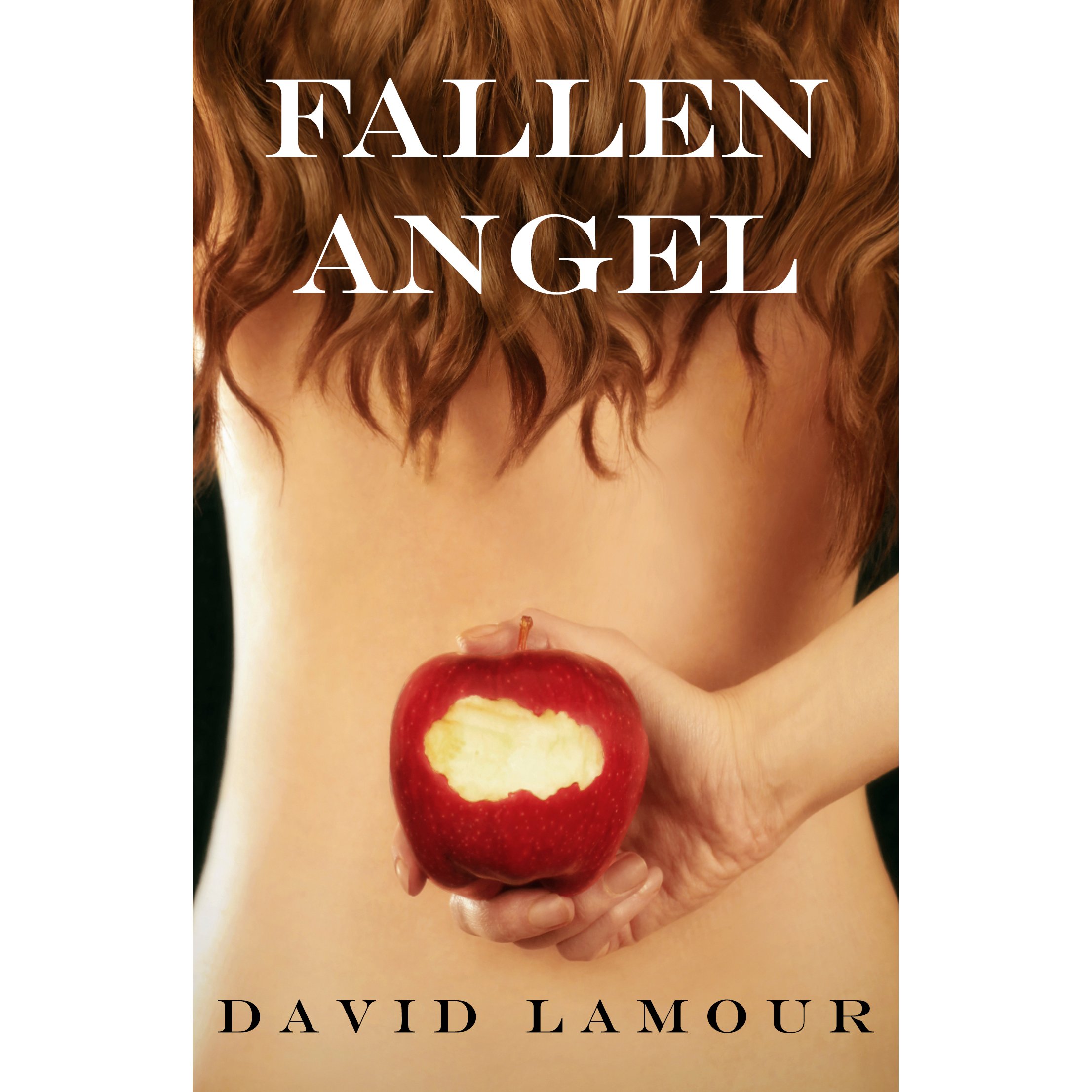
    Evelynn is not an average student. She used to be a swimmer at a school in New York before she had to move up to live with her Aunt and Uncle in Montana after the death of her parents. She isn’t thrilled about getting involved in things like the cheer team or dating a boy on the football team, but those aren’t exactly the biggest of her problems. Referencing the fall of Satan in a novel that is something of a mix between Paradise Lost and the “Hush, Hush” series by Becca Fitzpatrick, Fallen Angel, by David Lamour, tells Evelynn’s story of love, fear, and angels versus demons.

    I wasn’t sure what to expect upon starting my read of this story, though I knew that Fallen Angel had received high ratings on Goodreads and similar sites. Once I hit chapter three or so, I was stuck. I stayed up past three in the morning to continue, despite having work that would need to be done the next afternoon. In truth, the story was pretty addicting.

    The descriptions in Fallen Angel are beautiful. I noted that from the very beginning, and any author who can make a world feel real and who can allow me to visualize what is happening automatically gets points in my book. Equally, it took me a little while to realize that this is being partly written in Evelynn’s diary, which actually makes it more interesting, in my opinion. Typically, diary-style writing is overly detailed. Things that people shouldn’t be able to recall later on. But that isn’t the case here, and I appreciate that greatly. I do wish that there had been some sort of italics or indication of what had been written by Evelynn and what hadn’t been, though. There were a few typos, grammar issues and spelling changes in the Epub I was sent in exchange for a review, but they didn’t really distract me very much from the story itself.

    One thing that threw me off, though, was the way Evelynn’s thoughts sometimes seemed a little too self-aware. Sometimes the comments seemed to come from Lamour and not from the character herself – for example, several comments are made early on about authors and writing style and even “instant-love.” I found it a little funny at first, but it did pull me out of the story a bit, as it didn’t seem to match the rest of the text.

    Evelynn as a character is mischievous, rather funny, and although she is hung up on her past, she of all people has a right to be. She is a reader with a good heart, making her easy to like. There are a few things in the first couple of chapters that seem to be included specifically to set her apart from “normal” girls or the “popular” group, which I feel is a bit of a YA habit at this point. It didn’t really bother me too much, but I did notice and feel that it was a little forced.

    The romantic interests in this story were portrayed in a different way than most love triangle-style characters and relationships are. In this case, it was clear who the “winner” of sorts would be, but neither really struck me as the ‘bad boy’ trope that so many are tired of.

    Overall, I found the text to be very funny, and the epilogue was a brilliant set-up for the next book. I am very glad I’ve had the chance to start the Fallen Angel series and I can’t wait for the sequel!

    Views: 47

  • Outlander

    Outlander

    Rating: 3.5 Stars

    Age Recommendation: Adult (16/17+, depending on the reader’s discretion)

    Warnings: Adult themes including violence, language, and suggestions of sexual activities (not all consensual)

    Genre(s): Fantasy, Romance, Historical Fiction


    The screaming stones were the last thing I could truly say I remembered. And even that I had doubts about. The screaming had kept up, all the time. It was possible, I thought, that the noise came not from the stones themselves but from… whatever… I had stepped into.


    Outlander, by Diana Gabaldon, is the first book in a series of six, and introduces the reader to Claire Randall, a woman who worked as a nurse during World War II. Her interest in botany and her husband, Frank’s, interest in his family history leads the two to Inverness, Scotland, for their second honeymoon. While there, he learns about an ancestor of his named Jonathan “Black Jack” Randall and dives into learning about him while Claire goes off on her own adventure. When she stumbles across the standing stones upon a nearby hill, she, of course, has no idea that the circle will transport her back in time.

    Claire finds herself in the middle of British soldiers as they fight clansmen, gets caught up in a web of lies about who she is and where she has come from and decides that – until she can get back home to Frank – what really matters is that she manages to stay alive.

    The plot of Outlander is what drew me in, initially. I have heard so many rave reviews, although I’ll point out that most of them include a great deal of love for the male lead, Jamie, rather than any intensive look at other characters or writing style. I do not believe that Diana Gabaldon is a bad writer, in any sense. I will say, however, that her main character is not particularly likable in my opinion. I did watch the television show (an HBO series) before picking up the book, mainly because my best friend is rather in love with the novels as well as the show.

    Obviously, my reaction to the written story was not the same as hers, so you may wish to take it with a grain of salt, but I found Claire to be indecisive and frustrating, as the goals she sets for herself are not met and she doesn’t seem particularly invested in trying to accomplish them. It does feel a bit like Gabaldon may have tried to ensure that the romance would happen, and that makes sense. It’s the main reason the plot works at all. But I find it difficult to enjoy the novel I’m reading if I do not feel I can connect with the main character.

    The descriptions, however, are beautiful – even if sometimes they do go on for quite some time. For this reason, among others (mainly to do with exposition and setting the scene), the beginning feels very slow. The way Gabaldon explains action sequences, however, is quite something. I always understood exactly where each character was and what was happening to them. The portion where Claire is transported back in time is kept vague purposefully, I believe, and in that instance, I do think it works. Later scenes, I feel, are granted more explanation.

    The plot does not seem to be like any other I have come across, which is a reason that means quite a lot to me these days, as many books seem to all have some element in common. This series is original, and actually rather funny, and I do recommend that people read Outlander before watching the show if they wish to enjoy the book. The adaptation is absolutely phenomenal in how closely it sticks to the book, but I think that, after watching that version of Claire, I was disappointed by the written one.

    As ever, I feel that my opinion may or may not be similar to yours, but I do think that it is worth giving the series a go – particularly if you have yet to start the television show. I wouldn’t recommend that young readers try this one out, as there are some potentially upsetting themes. The television show, on that note, is something that parents may wish to be wary of as well, just as a heads up.

    If I could rate Outlander on plot alone, I would give it a good 4.5 stars, but some of the descriptions along with my issues with Claire brought the rating down.

    Views: 2

  • Sky Knight

    Sky Knight


    Rating: 4.5

    Age Recommendation: Upper YA/Adult. Probably about 16 or 17 and over.

    Warnings: Adult language.

    Genre: Steampunk (Science Fiction/Fantasy), Action and Adventure


    Taliah recoiled a little. “Priority 1? God, I’ve never even been in charge of a Priority 2 before!” Why was he even speaking to her about the highest ranking missions? “Do you honestly think I can handle it?”

    “Without a doubt,” said Arklin plainly. “In fact, I’ve a feeling there’s no one else suitable for it.”


    Sky Knight, by Sandra Harvey, tells the story of Taliah, a woman who has spent her life training to capture thieves and villains of the Skylands. Although she’s young, she has worked hard and risen through the ranks to become a Lieutenant. Her new assignment involves chasing after a pirate named Erikson Roarke, who wants both to evade her as well as convince her that everything she thinks she knows about her government is wrong.

    This was my first adventure into the steampunk genre, and I absolutely loved it. It has many of my favorite dystopian tropes, but is set in an entirely different sort of world and goes far beyond just those things one would expect from a book about potential political turmoil. The plot was full of unexpected twists, Roarke might be my new favorite pirate character, and the writing was both beautiful and funny. There were a few occasions in my Kindle epub copy of punctuation mistakes, and I sometimes came across sentences that were a bit confusing for me, which is why I placed this book at 4.5 rather than the full 5 stars.

    Aside from those little things, however, I thoroughly enjoyed Sky Knight. Harvey has crafted a tale of political intrigue, romance that the reader immediately hopes will work out, and all manner of steampunk items that anyone would want to have for themselves. I wouldn’t recommend this book to young readers, as the language is quite strong throughout, but for those readers who don’t mind such things, it’s sure to be a hit.

    Perhaps my favorite moments were the ones that didn’t seem altogether relevant to the plot. The little world-building moments and Harvey’s ability to weave in things that seem insignificant at first but end up meaning incredible amounts later on – all of it came together into one story that is both believable as well as exciting. I will say that the beginning seemed to start out slow, as I was waiting for Taliah’s assignment to hunt down Roarke, but all of it mattered in the end and made the slow start completely worthwhile. So if you give it a go and feel hesitant, don’t give up on it! I promise, it’s worth it and everything will make sense in the end. Well, most everything. It’s not a standalone, after all!

    Harvey is an independent publisher, so Sky Knight will be most easily accessible via Amazon or an e-reader. Once you read it, I’m sure you’ll agree: It’s utterly brilliant. I cannot wait for the sequel.

    Views: 5

  • The Quantum Door

    The Quantum Door

     Rating: Four stars

    Age Recommendation: Probably directed at children aged 10-15, but with the level of science involved, any young adult readers could appreciate the plot.


    “I always feared this would happen. You know that the door leaves a signature behind it. Others will be able to find it — and us.”


    The Quantum Door, by Jonathan Ballagh, tells the story of two brothers named Brady and Felix, who wander into the yard next door and end up getting into a mess that is extremely over their heads. Nova, their mysterious neighbor, initially tells them not to venture into her yard again. When she finds herself in trouble, however, it is up to Brady and Felix to jump in, head first and do what they can to help. Of course, nothing is quite as simple as it seems, and their adventure takes them across a curious, alternate version of Earth as they try to return home.

    I am not usually a sci-fi lover, and I don’t think that the The Quantum Door was intended for my age group, but I thoroughly appreciate the creativity of the plot and the types of beings created for this novel. Around part three of the novel, I was wishing it had been made into two separate books, but the closer I got to the end, the happier I was with the way it was done. Several things are explained and events start happening very quickly (although the majority of the novel is quite fast-paced).

    Something I had trouble with was the architectural terminology used throughout the book. I haven’t a clue what a couple of them mean – though it has convinced me to look them up, so I suppose that’s good! Other than that, the text was very easy to understand. A part of me wished for a bit more description when it comes to the characters, or maybe a bit more of their thought processes as the events were happening. A lot of it is how they react externally, which is also interesting, but I personally find the internal bits just as fascinating, if not more so.

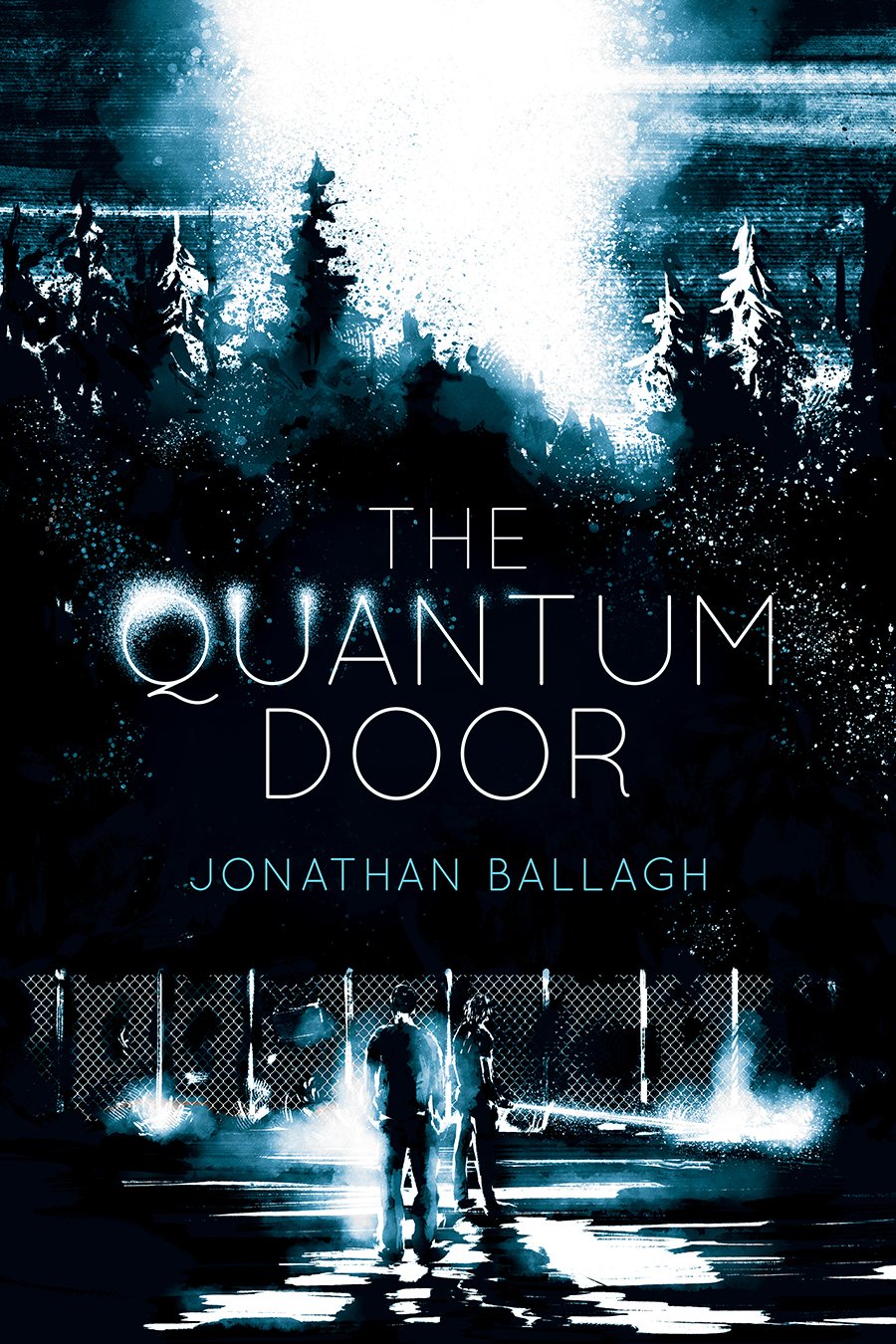
    Ballagh has created an interesting world that young readers with any interest in science can appreciate. In thirty or forty years, will technology look like the things in Ballagh’s novel? I actually hope it does. Ben J. Adams, who has created illustrations for the work, provides another step into the world described, and each image is as beautifully designed as the last. He also made the beautiful cover for the novel.

    The Quantum Door, released in August of 2015, is sure to catch the attention of many young readers, and I hope that it drives many of them to love reading as well as science.

    Views: 41

  • Click Here: To Find Out How I Survived Seventh Grade

    Click Here: To Find Out How I Survived Seventh Grade


    Somebody once told me that good friends are like Tootsie Pops, if you don’t bite them they won’t bite you.


    Rating: 4.5 Stars

    Age recommendation: 11+ (Middle Grade)

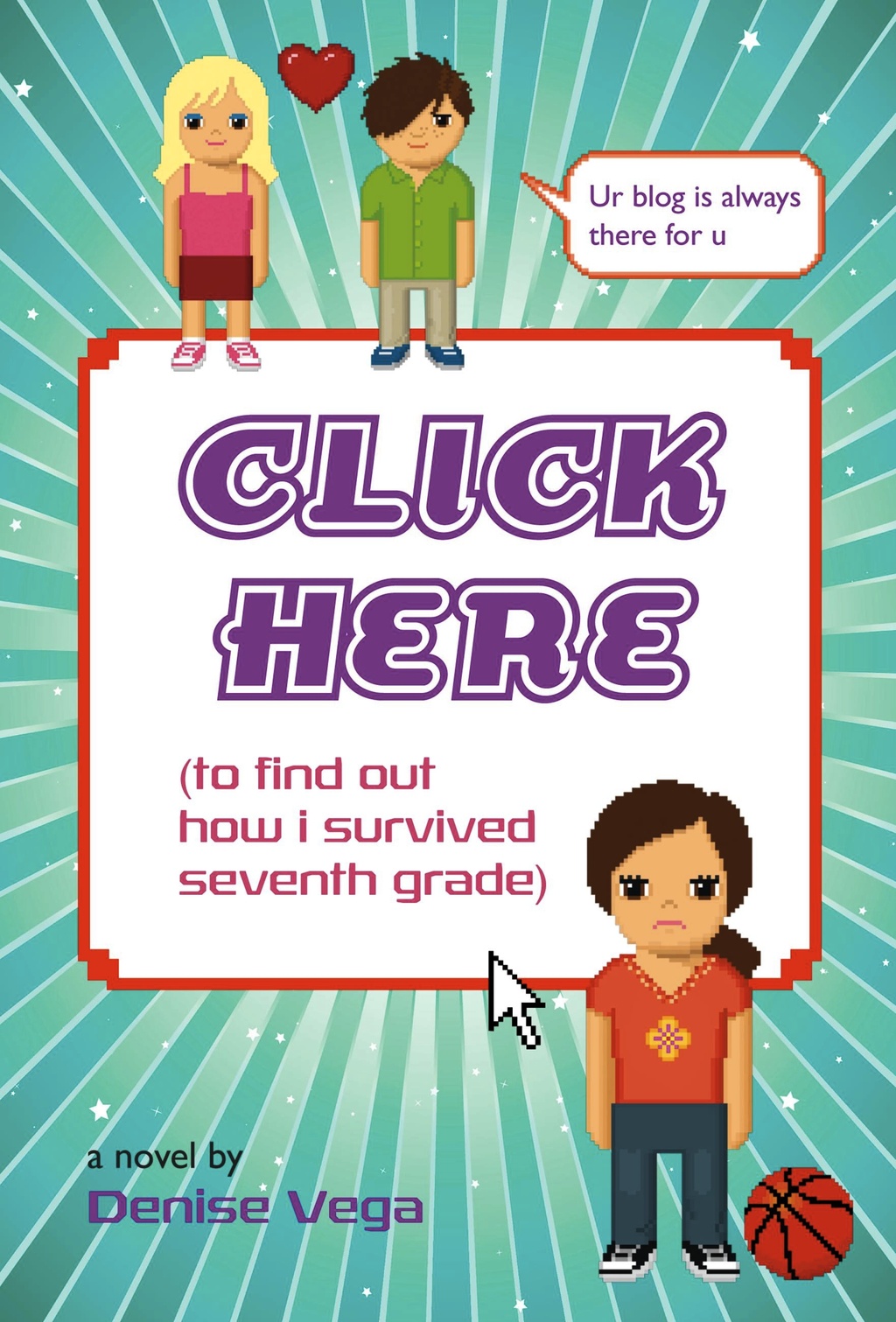
    Anyone who ever experienced bullying in school is bound to appreciate Click Here: To Find Out How I Survived Seventh Grade. My mom gave me this book when I was going into 7th grade – appropriately, of course – and although I enjoyed it then, a re-read has reminded me of just how great it was. Click Here: To Find Out How I Survived Seventh Grade, by Denise Vega, tells the story of a girl named Erin Swift, who is separated from her best friend during her classes as they move to a new school and enter 7th grade. Erin has always been very attached to Jilly’s side, essentially doing whatever her friend asks of her, in part because she doesn’t have other close friends, but also because Jilly seems to want Erin to do well.

    As the new school year goes on, however, and Erin finds that she has made friends with a boy she likes and has joined the Intranet club, which involves a group of her new friends working on a project that is sort of like an Internet system but only within their school. Erin keeps a blog that only she is allowed to see, but it gets very out of hand when a mistake is made.

    As a student, Erin has it pretty rough. Her brother doesn’t understand her struggles when she gets into a fight with the little sister of the girl he likes, which leads to family drama as well as rather extreme humiliation for Erin herself. All of this leads to Erin learning some very important life lessons, and helps her learn about herself, too.

    There are many things to love about Click Here: To Find Out How I Survived Seventh Grade. The reader sees Erin learn how to handle being on her own, she makes friends easily when she thought she couldn’t, and she pines for a guy who isn’t necessarily interested in return, while failing to notice someone who seems to care about her quite a bit. It’s a perfect story for anyone who perhaps feels they have low self-confidence, or aren’t prepared to move into Middle School/Junior High. I would never say it is a book only meant for female readers, as anyone can relate to Erin, who has issues with the size of her feet or the fact that she likes the same person as her friend. However, boys may not particularly like hearing about certain ‘female issues,’ to put it politely.

    Filled with humor, puns, cultural references that most readers should catch, this is a novel that everyone should read regardless of their age. Friends, this book informs you, will last longer than a boyfriend or girlfriend. Some things don’t need to be said if they could hurt someone else. Even if you’re past Middle School/Junior High, the lessons within Vega’s novel can help anybody, and it is definitely something I’m glad I first read when I was younger.

    Views: 1