Tag: books

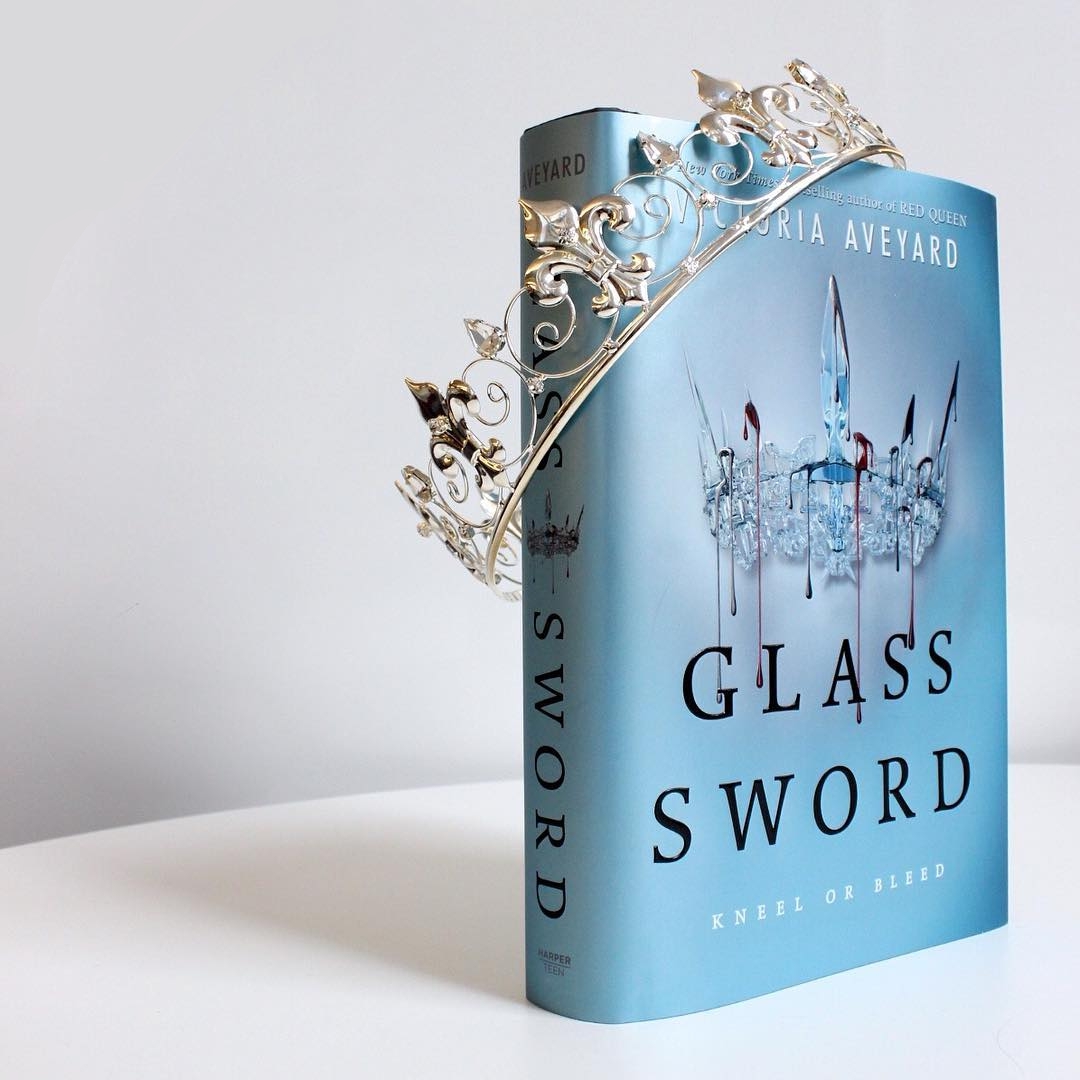
  • Glass Sword

    Glass Sword

    Glass Sword was an amazing sequel to an equally amazing book called Red Queen. I found Red Queen at a local bookstore and decided to give it a try. I don’t have a copy of Glass Sword, but my fellow book-lover and friend lent me her (signed) copy to read. Needless to say, It was superb. Not only fast-paced from the first chapter, Glass Sword also introduced more character development (yay!) and the end was a plot twist that made me ready for the next book! All of the characters were uniquely written, and the author had me cringing, gasping, laughing, sighing, blushing, and grabbing for the next few words all throughout the book.

    Though Mare was definitely not my favorite character for the vast majority of the book because she was cruel and ruthless, I do appreciate flawed characters (Dumbledore and Snape, anyone?) and think that characters without flaws are flat and rather stock. Cal was, as usual, amazing (kind, intelligent, and, well, attractive) and definitely a new fictional boyfriend for me. Farley was amazing; a truly brave, strong young girl that today’s normalized society lacks in. I think all of the characters have matured greatly from Red Queen, especially Mare, who went from a little girl afraid and angry at the world to a mature young woman who understands the world (but is still afraid and angry).

    The only aspect of Glass Sword that I feel could be improved is rather small, but still worth mentioning. I personally think that some of the action in the opening chapter could have been held back until a little later in the book. There should be a balance between the first few chapters of a book filled with rather boring plot and jumping straight into the action, and I feel like Mare, Cal, and the Red Guard should have been given more time to adjust from the events concluding Red Queen before running into battle.  However, the rest of the book was brilliantly written, and I give kudos to Victoria Aveyard. Looking forward to the next book!

    Rating: 4.75 out of 5 stars.

    Views: 6

  • A Whisper of Leaves

    A Whisper of Leaves

    A Whisper of Leaves was given to me by Full of Books to review a week or so ago, and I must admit that I was hesitant to read it at first. A small book at only 146 pages, I was worried that the resolution would be quick and the story too short to be interesting. Though I still hold that the book would be improved by adding more plot and, therefore, length, I was pleasantly surprised. I tore through the story, finishing it in a little over an hour, and found myself eager to read more when I finished a chapter. The ghost/thriller theme gave me chills, and I found my eyes darting around me as if the death spirit Shinigami itself were peering over me.

    A ghost story set in Japan, A Whisper of Leaves was written by Ashley Capes. Riko, and ESL teacher finds an old journal in the forest beneath Mt. Fuji and decides to take it home. As she begins to read through the journal, Riko begins to be threatened by a mysterious and angry force everywhere she turns and finds out more than she bargained for about the author. As strange events turn to dangerous (i.e. being held a gunpoint by your possessed ex-boss) and nobody seems to believe her, Riko must discover what happened to the author of this strange journal – and why a strange old man raking leaves in the forest seems to be connected.

    I enjoyed this book more than I first thought, but there were still some flaws. The grammar was slightly better than mediocre, as there were too many simple sentences for my taste, and using a semicolon five times per page gets annoying after a while. As I mentioned earlier, the book could have been longer – I felt that the story was good and complete, but I definitely would have read more if it was available and I felt that there was just something that was missing. Overall, a recommended read for anyone who likes ghost stories, or anyone who wants to dip their toes into the genre.

    Rating: 3.25 of 5 stars

    Views: 2

  • The Secret of Christopher Topher

    The Secret of Christopher Topher

    Rating: 3.5 stars.

    Age Recommendation: Middle grade, maybe Lower Young Adult.

    Warnings: Contains material that followers of certain religions might find offensive.

    Genre: High Fantasy, Science-Fiction.

    Urgent sounding chatter could be heard from outside the room. Something barely audible, about a State of the Union address. Alex held his ear near the door to listen. He heard talk of calming the citizens of the world, and readying the troops for battle.


    The Secret of Christopher Topher, by Gee Williams, tells the story of a twelve-year-old boy named Alex Smiley, and how he and his friend Karen spend four years of their lives working to save the human race. The reader is taken along with them on their journey, learning about the truth of the human race’s history. As it turns out, the Roman Catholic Church is perhaps not what it seems. Equally, aliens ought to be taken very seriously if you’ve learned their true nature and history.

    The story isn’t at all what I expected when I was sent a copy of the novel for review. Alex is a rather peculiar boy for being only twelve; he’s in love with his best friend, knows extinct languages, and has an impressive vocabulary. In truth, he isn’t what most people would expect when they think of a young boy. And that really is part of what makes him fit for the job of saving the world, rescuing the President and so on. When he finds a series of secret scrolls, written in a language that his father taught him how to read, he learns more about his dad than he ever imagined could be true. From there, everything is quite hectic and action-packed.

    In truth, the plot of the story was well-thought out, and the twists – even early on – were surprising. I didn’t have any trouble accepting the new rules that Williams presented, given the genre in which the book was set (fantasy and science-fiction). However, I did have trouble with the writing style throughout.

    Essentially, when I’m reading a novel, I like to find things out about the world, or the characters, by being shown things. For example, if a character is blonde and funny, I’d like to learn about that through circumstances rather than having the narrator or the novel simply tell me so. That’s why, when I first started and the initial paragraphs were about looks and personalities of multiple characters I had yet to meet, I was thrown off. Much of the story is presented in this way, with paragraphs of information that the main character shouldn’t have known, or information that could have been presented in a different way. Perhaps, if it had been spread out into a couple of novels, the information could have been given differently.

    I do want to qualify what I’ve just said with this fact, though: My reading tastes are not necessarily the same as yours. I prefer to guess the ending of a book early on, to learn little things about characters that others may not have noticed. I think it comes from reading many series set in fantasy or dystopian worlds (such as Harry Potter or Divergent). But that does not mean that you, as a reader, won’t like this book.

    It is not difficult to understand what’s going on, and is probably pretty good for young readers as far as vocabulary building goes. Some of the names of the alien species will be unpronounceable to those who have not taken a course in linguistics or phonetics, but there are several appendixes, giving extra information. It is not lost on anyone, I’m sure, that the author has done her research and is passionate about the story and the topic she has chosen.

    If you’re looking for an easy read, or are hoping to find something fantastical for your kids to try out, consider giving this book a shot! It may not have been my cup of tea, per se, but it might surprise you, and might give a child the kickstart they need to grow into loving fiction.

    Views: 1

  • Don’t Stay Up Late

    Don’t Stay Up Late

    Hands down R.L. Stine will always be my most loved author regardless of how old I get. I am a major horror/mystery fan so growing up with his books kept me at the edge of my seat. I was really amped up for seeing his more up to date book, Don’t Stay Up Late, at the library rack. I picked it up right away and read it as soon as possible. Don’t Stay Up Late was fresh out of the plastic new and in the event that you know me very well, you’ll know how much I cherish new books. It was a hardcover and I appreciated every little thing about Don’t Stay Up Late; from the look to what was composed inside of the pages.

    Don’t Stay Up Late was a simple read and despite the fact that it is not my favorite type of story, I appreciated it. I can hardly wait for a greater amount of this work to be published in the coming years. Despite the fact that R.L. Stine is my favorite author, there were a few things of the book that were great and some terrible.

    Pros

    1) It’s generally composed in the most immediate and appropriately dissimilar to different books I’ve perused.

    2) It plays with your brain a bit.

    3) It’s simple to peruse and each to traverse.

    Cons

    1) It’s exceptionally unsurprising.

    2) It’s not a story that I usually read.

    The plot behind Don’t Stay Up Late is a young lady, Lisa, 16 years of age gets into a car accident with her mother, father, and her dog Morty, and she loses her father in the process. In the wake of getting to the hospital, she endures a blackout, which causes her hallucinations and nightmares. She begins to see a creature/devil every time she goes to sleep. At that point, her therapist proposes for her to get an after school job to keep her psyche off of things. So she begins to keep an eye on an eight-year-old boy, Harry.

    He must be snoozing by 8 and no later, apparently because of his condition. While she looks after Harry, she sees the creature and something strange happens to her loved ones. She gets questioned by her therapist and police officers and confesses about the strange creature, yet nobody believes her about the creature.

    You know how this story ends, yet notwithstanding I am still a child on the most fundamental level and R.L. Stan’s books will always be one of my most cherished memories.

    Views: 11

  • Sky Knight

    Sky Knight


    Rating: 4.5

    Age Recommendation: Upper YA/Adult. Probably about 16 or 17 and over.

    Warnings: Adult language.

    Genre: Steampunk (Science Fiction/Fantasy), Action and Adventure


    Taliah recoiled a little. “Priority 1? God, I’ve never even been in charge of a Priority 2 before!” Why was he even speaking to her about the highest ranking missions? “Do you honestly think I can handle it?”

    “Without a doubt,” said Arklin plainly. “In fact, I’ve a feeling there’s no one else suitable for it.”


    Sky Knight, by Sandra Harvey, tells the story of Taliah, a woman who has spent her life training to capture thieves and villains of the Skylands. Although she’s young, she has worked hard and risen through the ranks to become a Lieutenant. Her new assignment involves chasing after a pirate named Erikson Roarke, who wants both to evade her as well as convince her that everything she thinks she knows about her government is wrong.

    This was my first adventure into the steampunk genre, and I absolutely loved it. It has many of my favorite dystopian tropes, but is set in an entirely different sort of world and goes far beyond just those things one would expect from a book about potential political turmoil. The plot was full of unexpected twists, Roarke might be my new favorite pirate character, and the writing was both beautiful and funny. There were a few occasions in my Kindle epub copy of punctuation mistakes, and I sometimes came across sentences that were a bit confusing for me, which is why I placed this book at 4.5 rather than the full 5 stars.

    Aside from those little things, however, I thoroughly enjoyed Sky Knight. Harvey has crafted a tale of political intrigue, romance that the reader immediately hopes will work out, and all manner of steampunk items that anyone would want to have for themselves. I wouldn’t recommend this book to young readers, as the language is quite strong throughout, but for those readers who don’t mind such things, it’s sure to be a hit.

    Perhaps my favorite moments were the ones that didn’t seem altogether relevant to the plot. The little world-building moments and Harvey’s ability to weave in things that seem insignificant at first but end up meaning incredible amounts later on – all of it came together into one story that is both believable as well as exciting. I will say that the beginning seemed to start out slow, as I was waiting for Taliah’s assignment to hunt down Roarke, but all of it mattered in the end and made the slow start completely worthwhile. So if you give it a go and feel hesitant, don’t give up on it! I promise, it’s worth it and everything will make sense in the end. Well, most everything. It’s not a standalone, after all!

    Harvey is an independent publisher, so Sky Knight will be most easily accessible via Amazon or an e-reader. Once you read it, I’m sure you’ll agree: It’s utterly brilliant. I cannot wait for the sequel.

    Views: 5

  • Anatomy of an Epidemic

    Anatomy of an Epidemic

    Having watched one friend after another succumb to the lure of Prozac, and the irresistible argument that it’s a chemical imbalance that’s responsible for all their problems (and not their difficult marriage, family circumstances or financial straits) – I’ve been searching for a book to finally put the whole ‘chemical imbalance’ debate to bed, once and for all.

    If it exists, it must be provable, scientifically, and that information must be out in the public domain somewhere.

    Sadly, the more I’ve been trying to find this proof, the clearer it’s becoming that the Loch Ness Monster is actually more of a fact than the ‘chemical imbalance’ theory of mental illnesses.

    The latest nail in the coffin has been Robert Whitaker’s investigative masterpiece: Anatomy of an Epidemic: Magic Bullets, Psychiatric Drugs, and the Astonishing Rise of Mental Illness in America.

    Whitaker is a seasoned journalist of many years’ standing, who went looking for an answer to the question: Do people taking psychotropic medications have a better quality of life over the long term?

    He reasoned that if drugs like Prozac, Xanax, Abilify, Zyprexa, Adderal – and all the rest of them – really were ‘solving’ the problems causing mental illnesses, as claimed by groups like the American Psychiatric Association (APA) and of course, the pharmaceutical companies themselves, that should be showing up in much better long-term outcomes for patients who are taking their pills.

    Whitaker spent a couple of years trawling through thousands of medical records, research studies and clinical trials to come to the stunning conclusion that not only are psychiatric drugs failing to provide any long term benefit to users, in many instances they are actually leading to even worse outcomes.

    To quote just a couple of the more eye-opening findings from the book: Before the advent of psychopharmacology, around 76% of schizophrenic patients recovered by themselves, and went on to live productive lives, with around 50% never experiencing another psychotic break. By contrast in more modern times, only 5% of the schizophrenia patients who stayed on the drugs they were prescribed by their psychiatrists recovered enough to hold down a job and re-integrate into the communities.

    In another chapter, Whitaker explained how the infamous ‘chemical imbalance’ theory has never been proved for any mental illness – despite 30 years’ of research – and told the story of a group of 6 ‘survivors of psychiatric drugs’ who went on a hunger strike in 2003, to try to force the APA into releasing the evidence they claimed to have proving the chemical imbalance existed.

    The APA never responded.

    And yet, this hasn’t stopped psychiatry building ever taller castles in the sky about how they can ‘diagnose’ increasing numbers of mental illnesses (around 350, by the last count) and ‘cure’ them by prescribing the right little pill.

    One more piece of information: regular use of psychotropic medication has been proven to shorten patients’ lives by between 15-25 years on average – thanks to all the side effects that no-one really talks about, but that plenty people are still suffering very badly from.

    Whitaker remains clinical and detached throughout, throwing in one additional fact, one extra scientific study, one more personal story after another, to carefully build his solid edifice of proof that the drugs don’t work.

    By the end of Anatomy of an Epidemic, I literally felt sick to my stomach about the amount of deception, bogus science, greed and personal suffering woven into the whole sordid tale of psychiatric medicine.

    I couldn’t help wondering about the dubious mental state of all the doctors and shrinks who are busy herding their trusting patients on to more and more meds, without telling them about all the side-effects, drawbacks and long-term suffering they are potentially letting themselves in for. Not for the first time, it struck me that in 2016, the lunatics really have taken over the asylum.

    Anatomy of an Epidemic is beautifully written, but is not easy reading – particularly for those who still want to believe that their ‘chemical imbalance’ is the true source of their misery. But for anyone who wants to know the truth about psychotropic medications, and who wants to be reassured that drugs are NOT the route to happiness and wellbeing, and who wants to have the facts they need to debunk the many myths being told about what’s causing mental and emotional issues and how best to resolve them, Anatomy of an Epidemic is one of the very best out there.

    Views: 10
  • Cinder

    Cinder


    Rating: 5 Stars

    Age Recommendation: Young Adult +

    Genre: Science Fiction, Fairytale Retelling


    The Bottom of the screen was labeled:

    RATIO: 36.28%

    She was 36.28 percent not human.


    Cinder, by Marissa Meyer, is a science fiction, futuristic retelling of the classic Cinderella story. In this world, Cinder is a cyborg due to an accident that occurred when she was 11, when she had to have her hand and leg replaced. Now she’s dealing with all manner of wires and mechanical parts, but there are some benefits. She can download information to fill in the blanks when she doesn’t know something, which gives her an uncanny ability to fix machines. In a world full of androids, cyborgs, and advanced technology, being a mechanic means that she has a lot of work to do.

    One day, she is working at her booth in the marketplace when Prince Kai, in line to be the next emperor of the Eastern Commonwealth, comes along in disguise and asks her to fix his android, claiming that it’s nothing but sentimentality that has caused him to ask her to fix such an old model. Now, the Eastern Commonwealth was created after the fourth World War, because a treaty was met in which combinations of countries have a leader each, and they all work together to protect themselves from their enemies: The Lunars. And they’re basically what they sound like the people living on the moon. But these Lunars are more than they seem, though I don’t want to give too much away.

    In essence, Cinder is the typical Cinderella character, who wants to go to the ball, falls for the prince, so on and so forth. Except being a cyborg means she’s “unusual” and “scary” and just leads to a whole lot of trouble. And with a disease wiping out the population, everything in the Eastern Commonwealth seems more threatening than usual. Whether that stops Cinder or not… You’ll have to see. And remember that it’s a series, so the ending you expect likely isn’t the one you’ll get. [In the best way possible.]

    I did have a bit of an issue with the sort of “chosen one” aspect of one of the characters in this story, but because of the backstory of that character, it actually isn’t as irritating as that trope usually is. In fact, I loved it. I figured out their backstory by about the 40th page, but I didn’t even mind it because the writing was so easy to get into and the flow was so beautiful.

    I actually read this book in less than a day, staying up until eight in the morning, then waking up and immediately picking it up again to finish it. Granted, I read this more slowly than I likely would have if I had not been in a reading slump before picking it up. This book reminded me why I love reading, beyond just loving the stories, and I have a strong feeling that this series might be my new favorite Young Adult series.

    Cinder is relatable and creative and incredibly funny, and it’s difficult not to feel bad for most of the characters, even if they’re considered “bad guys” within the plot. My favorite part, however, was that there were not paragraphs of explanation to introduce the world. Instead, it’s all brought in casually, because Cinder learns things or thinks about things that the reader would need to know. But it doesn’t feel forced or drawn out.

    Even if you aren’t a fan of fairytale retellings, please pick this one up. Everyone needs to read this, even if it’s just so that I can have more of a chance of running into someone I can talk to about it.

    Views: 4

  • Welcome to Night Vale

    Welcome to Night Vale

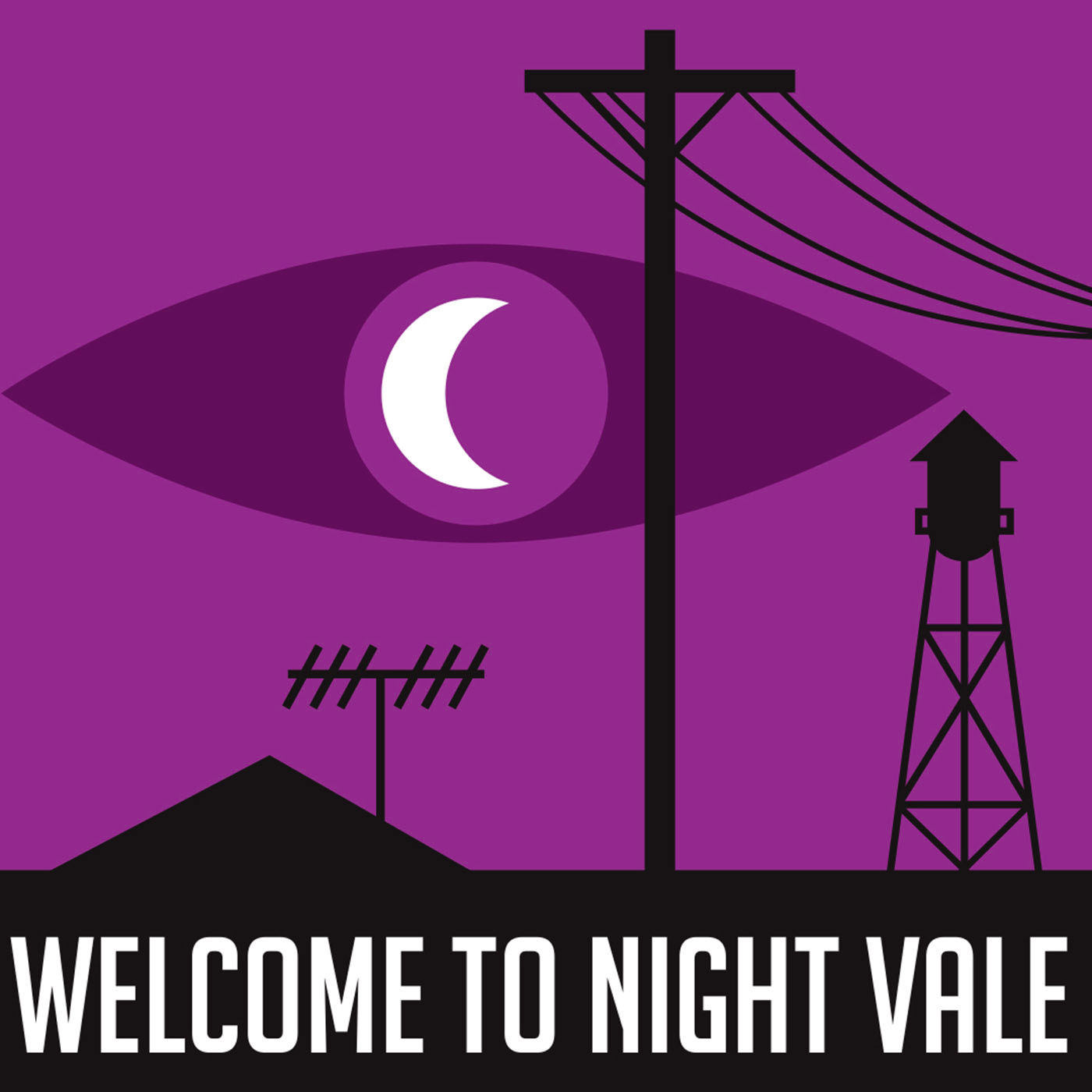
    Welcome to Night Vale by Joseph Fink & Jeffery Cranor

    Rating: 4 stars

    Age recommendation: Young Adult and up

    Genre: Adventure, Dark, Fantasy, Fiction, Humor, Mystery, Sci-Fi, Supernatural

    Opening excerpt: “Pawnshops in Night Vale work like this. First you need an item to pawn. To get this, you need a lot of time behind you, years spent living and existing, until you’ve reached a point where you believe that you exist, and that a physical item exists, and that, improbable as all those are, these absurd beliefs line up in a way that results in you owning an item.”

    Favorite excerpt: “Something in me says that this is only the start. The moment after which all other moments will come. And looking back at the point we are at now, we will know that this was before and that all of our nows from here on out will be after. This is the only way we know time works.” (Chapter 49, pg. 393)

    There are two women. Not dissimilar to any pair of women you’ve seen walking down the street, thoughts filled with love, hate, ignorance to the cameras and surveyors watching their every move. Yet completely different. Utterly and totally different. You’ve never seen these women before. You’ve never imagined them. (Well, now you have. Good job.) You don’t know these women. And they don’t know you. They don’t know a lot of things. They don’t know why the sun rises or why the planets orbit or why the sky turns green every other Tuesday. They just don’t. Neither do you. But that’s not the point. The point is about the fact that there are two women. Driving down a dusty road, towards something terrifying, new, unknown. They’re going somewhere, somewhere you’ve never been and never will go. They’re going somewhere not knowing what will happen. Will they find what’s lost? Will they return the unwanted? Will they answer the question that’s banging inside their head like an angry warthogs nest? I don’t know. I don’t know, dear listeners. I don’t even know why you’re asking me. Please stop asking me. Please stop.

    Welcome to Night Vale follows the emotional and physical journey of two women, who live in a very abnormal town in the desert. One only worries about her growing teen son and the other leads a literal monotonous life running a pawn shop. Their lives cross in pursuit of a common irritant, them first meeting with great distaste, but as their goal appears both closer yet so inescapably far, they work together and forge an incredible admiration and support for one another, resulting in the answer to all their questions.

    The novel follows the style of the bi-monthly podcast called, Welcome to Night Vale, focusing on two new main characters, Diane Crayton and Jackie Fierro, with features of the admired Cecil Palmer and Carlos the Scientist, alongside other favored characters. One can expect the same antics from the podcast, voids, time traveling flamingos and bleeding to open doors, to be pervasive throughout the novel.

    Now for my take on the book. Personally, I am a fan of the podcast, so I may be swayed in my review, but I think Welcome to Night Vale was a really good read. There are so many themes and aspects of this novel that many people can relate to. Jackie, a teenager, is stuck in a world where she is both an adult and a child. After her world is shaken, she really begins to feel this, as she’s adept and lauded in some areas, while confused and castigated in others. Diane is a biracial single mother, taking care of a teenager by herself. She feels the pressures from society to look and act a certain way, to be a mother and a woman in the way society deems okay. There’s also the very powerful theme of female friendship towards the end of the novel that is beautifully healthy and well written.

    I will admit, the resolution to their problems, in the end, was a bit weak, but it really doesn’t take away from the book. There are far too many astounding lines and themes to let that damage it as a whole.

    Is the novel weird? Yes. But does it captivate you, make you laugh, wonder, and smile? Yes. For people unfamiliar with the podcast, it may be hard to follow, but the plot and storytelling are phenomenally done and something you wouldn’t want to miss out on. It will be a read different from any other book you’ve read and hopefully quite memorable. For me, it’s a thumbs up.

    Views: 5

  • The Quantum Door

    The Quantum Door

     Rating: Four stars

    Age Recommendation: Probably directed at children aged 10-15, but with the level of science involved, any young adult readers could appreciate the plot.


    “I always feared this would happen. You know that the door leaves a signature behind it. Others will be able to find it — and us.”


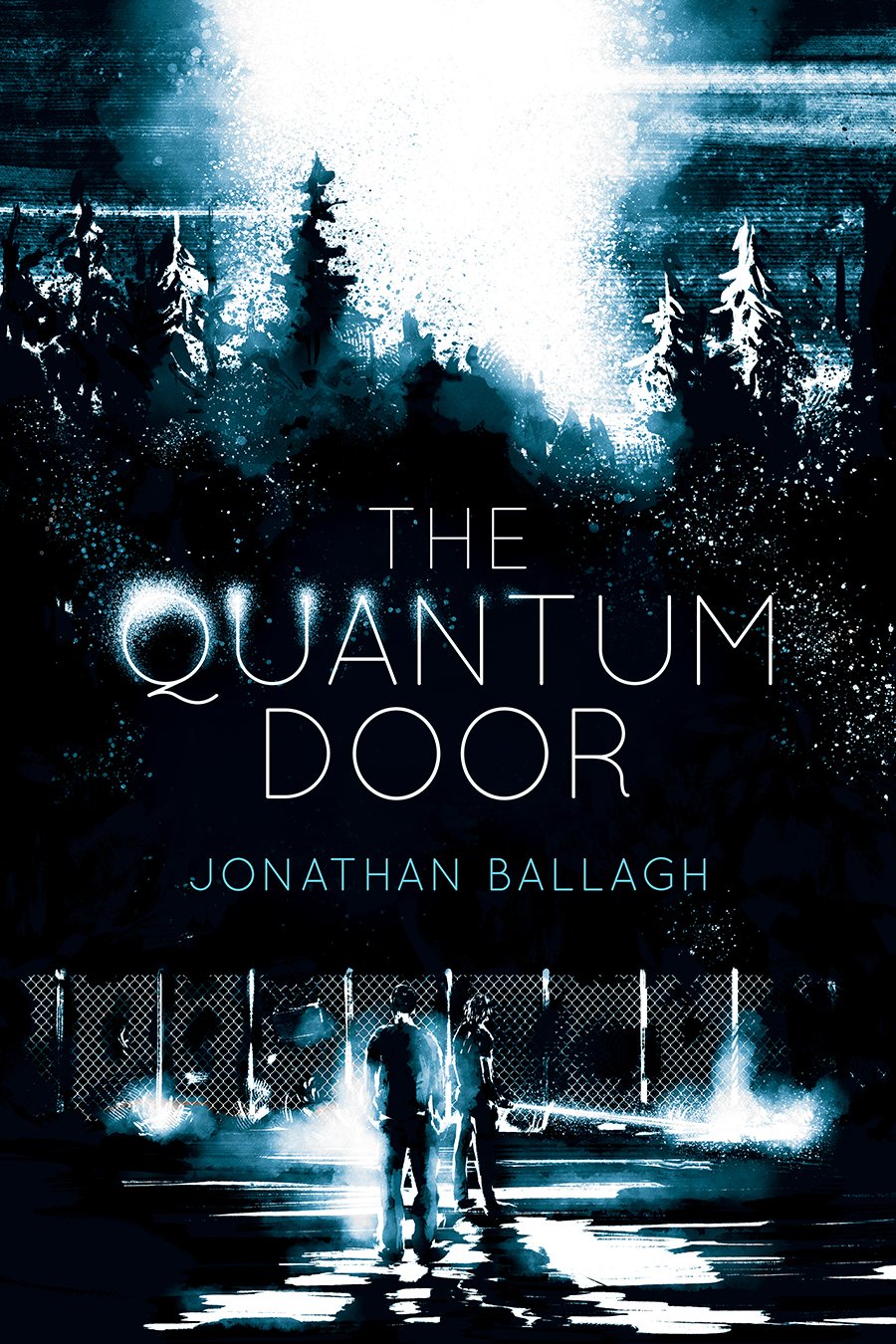
    The Quantum Door, by Jonathan Ballagh, tells the story of two brothers named Brady and Felix, who wander into the yard next door and end up getting into a mess that is extremely over their heads. Nova, their mysterious neighbor, initially tells them not to venture into her yard again. When she finds herself in trouble, however, it is up to Brady and Felix to jump in, head first and do what they can to help. Of course, nothing is quite as simple as it seems, and their adventure takes them across a curious, alternate version of Earth as they try to return home.

    I am not usually a sci-fi lover, and I don’t think that the The Quantum Door was intended for my age group, but I thoroughly appreciate the creativity of the plot and the types of beings created for this novel. Around part three of the novel, I was wishing it had been made into two separate books, but the closer I got to the end, the happier I was with the way it was done. Several things are explained and events start happening very quickly (although the majority of the novel is quite fast-paced).

    Something I had trouble with was the architectural terminology used throughout the book. I haven’t a clue what a couple of them mean – though it has convinced me to look them up, so I suppose that’s good! Other than that, the text was very easy to understand. A part of me wished for a bit more description when it comes to the characters, or maybe a bit more of their thought processes as the events were happening. A lot of it is how they react externally, which is also interesting, but I personally find the internal bits just as fascinating, if not more so.

    Ballagh has created an interesting world that young readers with any interest in science can appreciate. In thirty or forty years, will technology look like the things in Ballagh’s novel? I actually hope it does. Ben J. Adams, who has created illustrations for the work, provides another step into the world described, and each image is as beautifully designed as the last. He also made the beautiful cover for the novel.

    The Quantum Door, released in August of 2015, is sure to catch the attention of many young readers, and I hope that it drives many of them to love reading as well as science.

    Views: 41

  • Click Here: To Find Out How I Survived Seventh Grade

    Click Here: To Find Out How I Survived Seventh Grade


    Somebody once told me that good friends are like Tootsie Pops, if you don’t bite them they won’t bite you.


    Rating: 4.5 Stars

    Age recommendation: 11+ (Middle Grade)

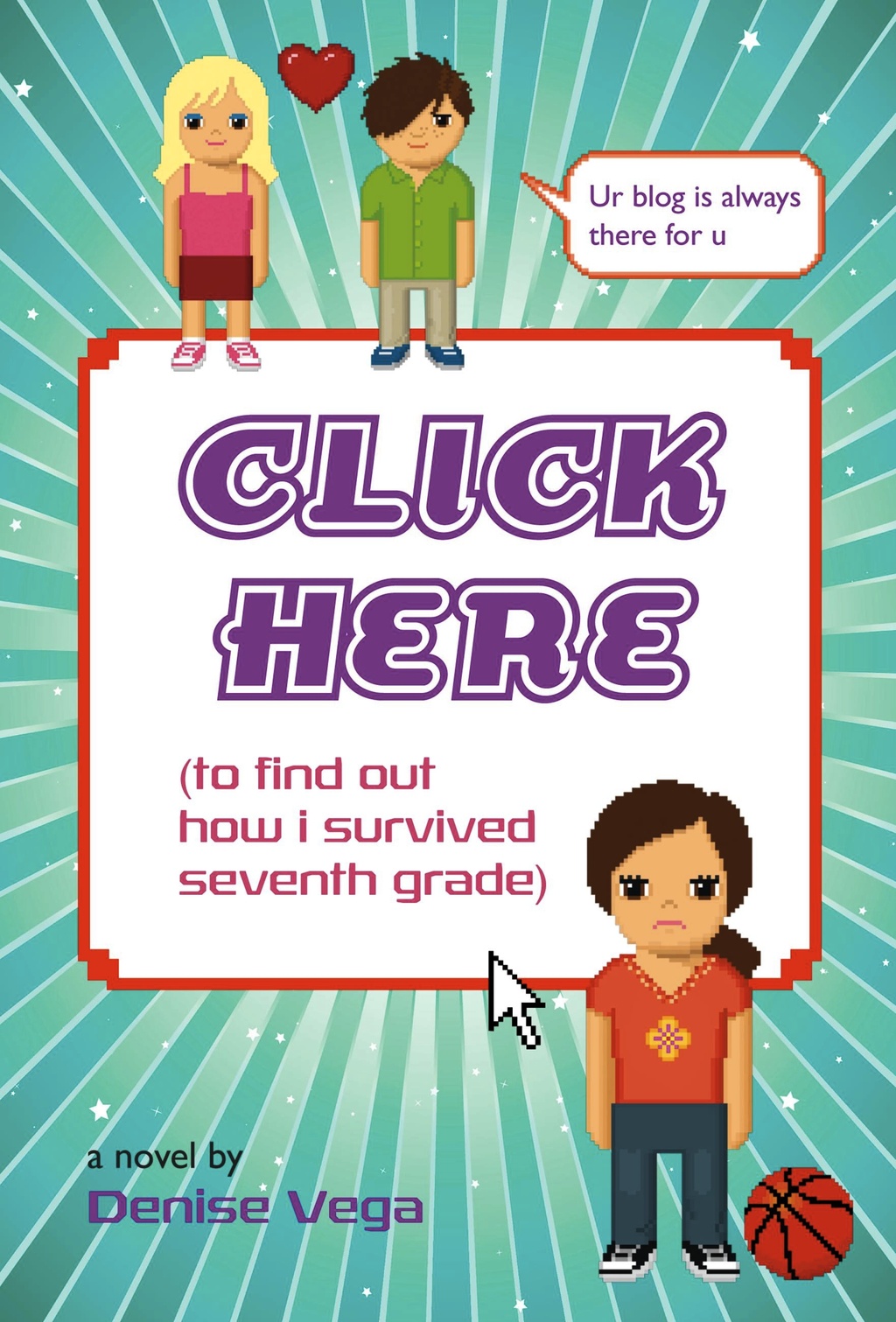
    Anyone who ever experienced bullying in school is bound to appreciate Click Here: To Find Out How I Survived Seventh Grade. My mom gave me this book when I was going into 7th grade – appropriately, of course – and although I enjoyed it then, a re-read has reminded me of just how great it was. Click Here: To Find Out How I Survived Seventh Grade, by Denise Vega, tells the story of a girl named Erin Swift, who is separated from her best friend during her classes as they move to a new school and enter 7th grade. Erin has always been very attached to Jilly’s side, essentially doing whatever her friend asks of her, in part because she doesn’t have other close friends, but also because Jilly seems to want Erin to do well.

    As the new school year goes on, however, and Erin finds that she has made friends with a boy she likes and has joined the Intranet club, which involves a group of her new friends working on a project that is sort of like an Internet system but only within their school. Erin keeps a blog that only she is allowed to see, but it gets very out of hand when a mistake is made.

    As a student, Erin has it pretty rough. Her brother doesn’t understand her struggles when she gets into a fight with the little sister of the girl he likes, which leads to family drama as well as rather extreme humiliation for Erin herself. All of this leads to Erin learning some very important life lessons, and helps her learn about herself, too.

    There are many things to love about Click Here: To Find Out How I Survived Seventh Grade. The reader sees Erin learn how to handle being on her own, she makes friends easily when she thought she couldn’t, and she pines for a guy who isn’t necessarily interested in return, while failing to notice someone who seems to care about her quite a bit. It’s a perfect story for anyone who perhaps feels they have low self-confidence, or aren’t prepared to move into Middle School/Junior High. I would never say it is a book only meant for female readers, as anyone can relate to Erin, who has issues with the size of her feet or the fact that she likes the same person as her friend. However, boys may not particularly like hearing about certain ‘female issues,’ to put it politely.

    Filled with humor, puns, cultural references that most readers should catch, this is a novel that everyone should read regardless of their age. Friends, this book informs you, will last longer than a boyfriend or girlfriend. Some things don’t need to be said if they could hurt someone else. Even if you’re past Middle School/Junior High, the lessons within Vega’s novel can help anybody, and it is definitely something I’m glad I first read when I was younger.

    Views: 1